
Incredible gloss
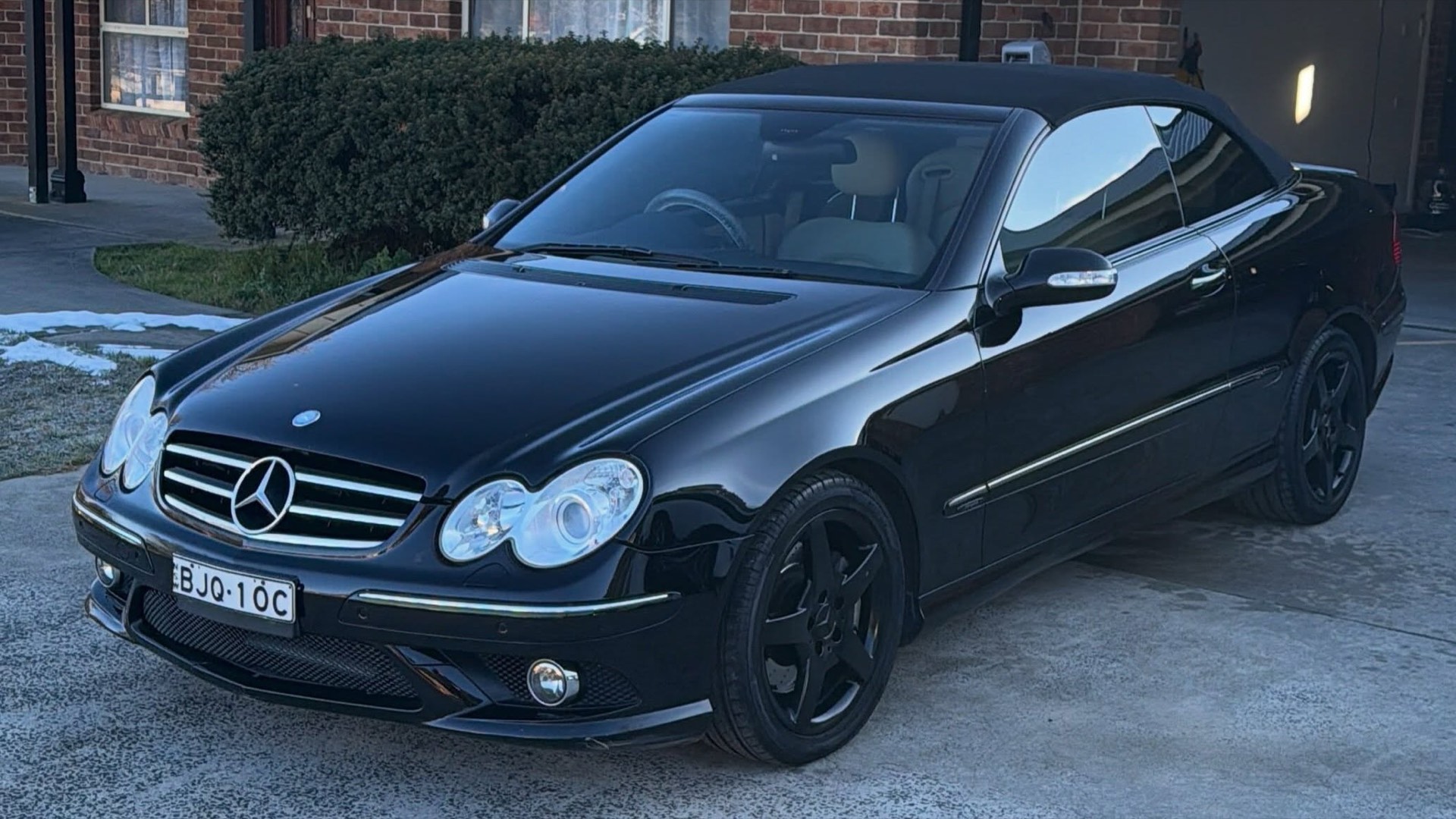
A coating adds a hard, optically clear layer over corrected paint — the depth and reflection sit above the clear coat, not in it.
Standout Protection · Magnum accredited installer
Professional ceramic coating for Lithgow and Bathurst — including 7-year graphene and 10-year borophene protection, installed over paint that has been properly prepared first.
Standout Protection
A ceramic coating chemically bonds to your clear coat and cures into a hard, optically clear layer. Where a wax sits on top for a few weeks, a coating becomes part of the surface for years.
That layer is what does the work: it resists chemicals and UV, it stops contamination keying into the paint, and it makes water bead and sheet off rather than sit and dry into spots. The visual gloss is real — but it's a by-product of a much more useful property, which is that the car becomes genuinely easier to keep clean.
Accredited installer
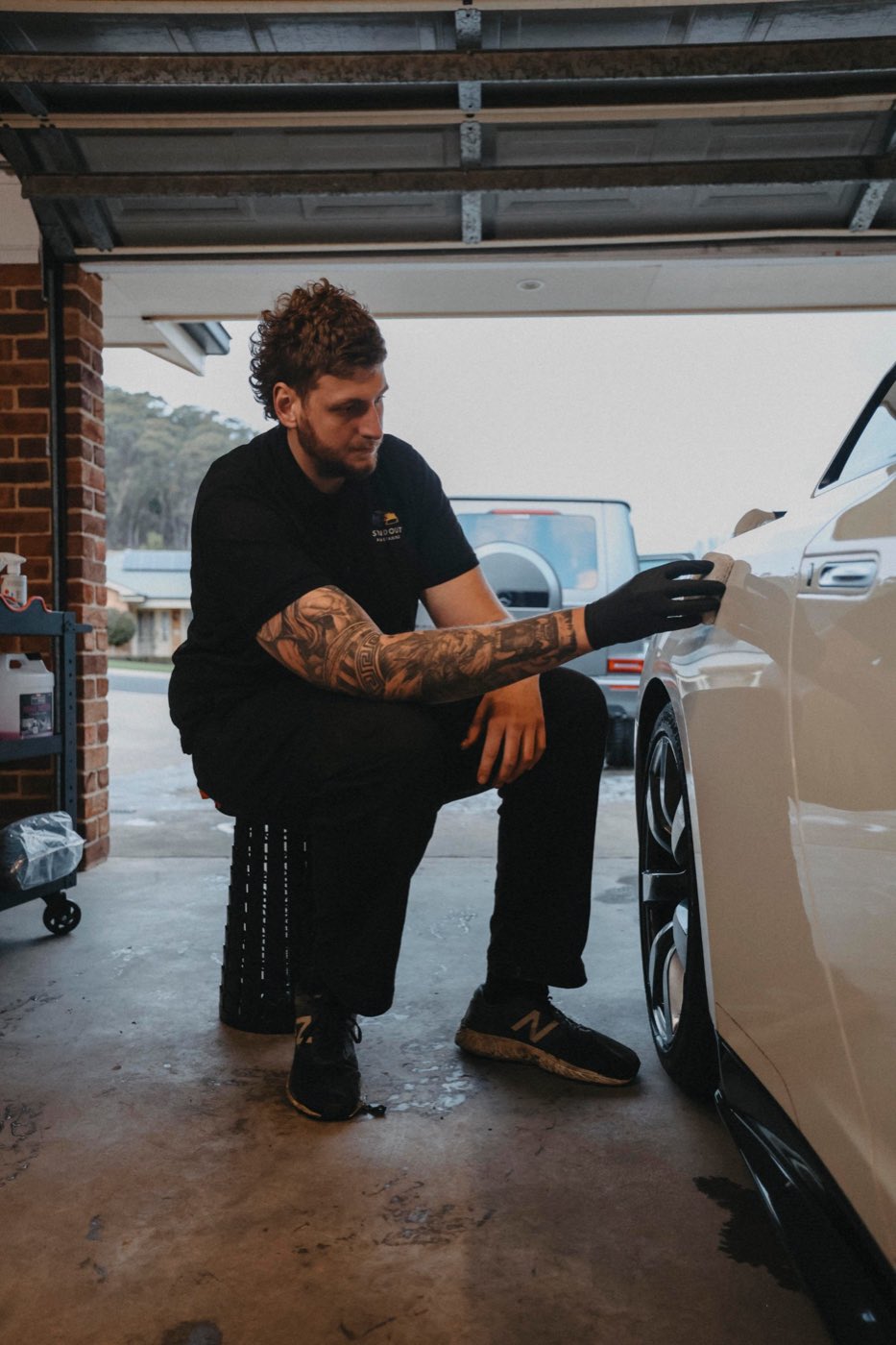
Standout Auto Detailing is an accredited Magnum installer — an Australian manufacturer building graphene and boron-based coatings rather than the silica everyone else uses.
Accreditation matters for two reasons. A coating is only as good as the person installing it. And Magnum's flagship Luminous X is only released to accredited installers, so it is not something you can buy off a shelf and try yourself.
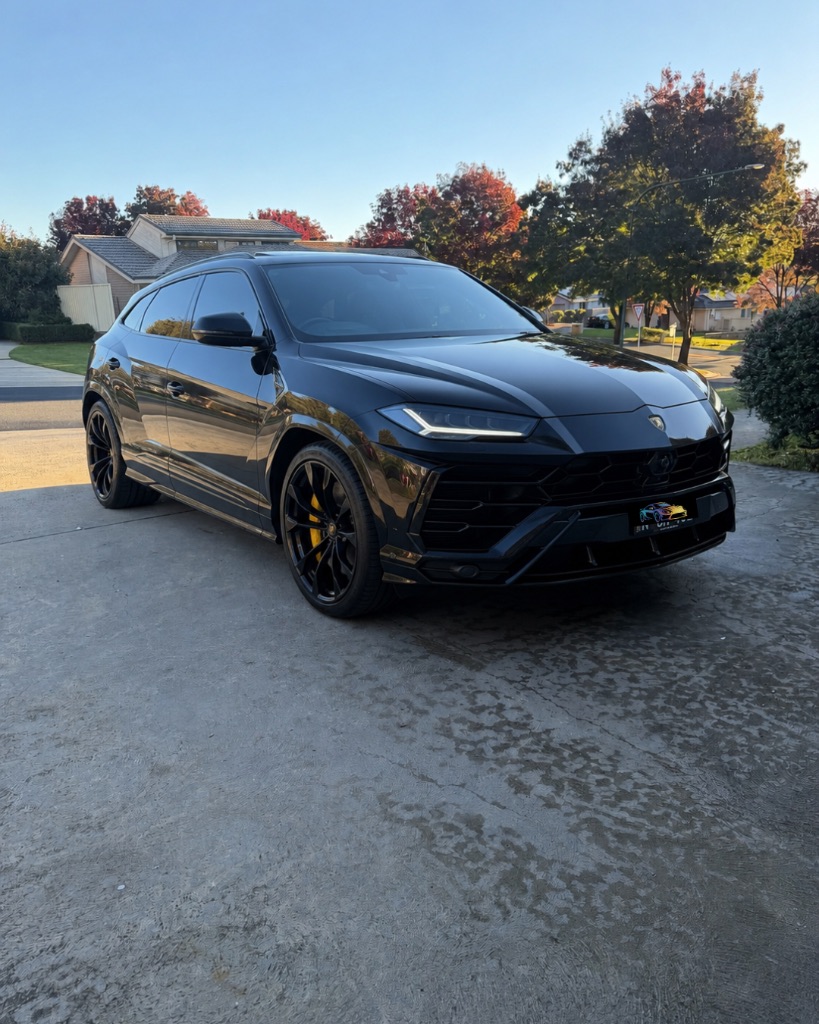
Built on graphene — a carbon material 200 times stronger than steel and used in aerospace — bonded at a molecular level. It is anti-static, so the panel holds noticeably less dust between washes. Magnum rates it at up to seven years and 400+ washes.
Luminous X: amorphous boron fused with polysilazane, one of the hardest glass resins available. A 120° water contact angle, more gloss than SiO² coatings, and real thermal resistance. Magnum rates it at ten years.
Both coatings are quoted with the preparation they actually need — not as a bottle applied over whatever is already on the paint.
Benefits
A coating adds a hard, optically clear layer over corrected paint — the depth and reflection sit above the clear coat, not in it.
Water pulls into tight beads and sheets off the panel, taking loose dirt with it and cutting down drying marks.
Contamination struggles to key into a coated surface, so a maintenance wash takes less time and less contact.
A sacrificial barrier against bird droppings, tree sap, road film, brake dust and industrial fallout.
Slows the oxidisation and fade that flattens paint — particularly on red, black and older single-stage finishes.
Better tolerance of detergents, road salts and acidic contamination than a wax or a traditional sealant.
Measured in years rather than weeks, with an annual inspection to keep the coating performing.
Less dry dust cling and less brake dust bonding to wheels and lower panels.
The paint under the coating is decontaminated and polished first — a coating locks in whatever it is applied over.
The install
A ceramic coating package involves significantly more than applying a coating. The vehicle has to be washed, chemically and mechanically decontaminated, inspected, machine polished where necessary and properly prepared before anything is installed — because a coating locks in whatever is underneath it.
Vehicle and paint assessment under inspection lighting, including paint depth readings so we know exactly what we are working with.
Deep wash, iron fallout removal, tar removal and mechanical decontamination to strip the panel back to bare paint.
Machine polishing to remove swirls and defects. Whatever is left in the paint at this point is locked under the coating.
Panel wipe-down to remove polishing oils so the coating can bond directly to the clear coat.
Coating installed panel by panel in controlled conditions, levelled and inspected as it flashes.
Controlled cure in the workshop, then handover with maintenance guidance and a wash schedule.
Honest answer
Sometimes yes, sometimes no — and we'd rather tell you which before you spend the money.
The honest summary: a coating is worth it if you plan to keep the vehicle, you're prepared to wash it sensibly, and you value the paint staying in good condition. If you're selling the car in six months or it lives under a tree and gets run through a brush wash weekly, we'll tell you to spend the money on a detail and a sealant instead.
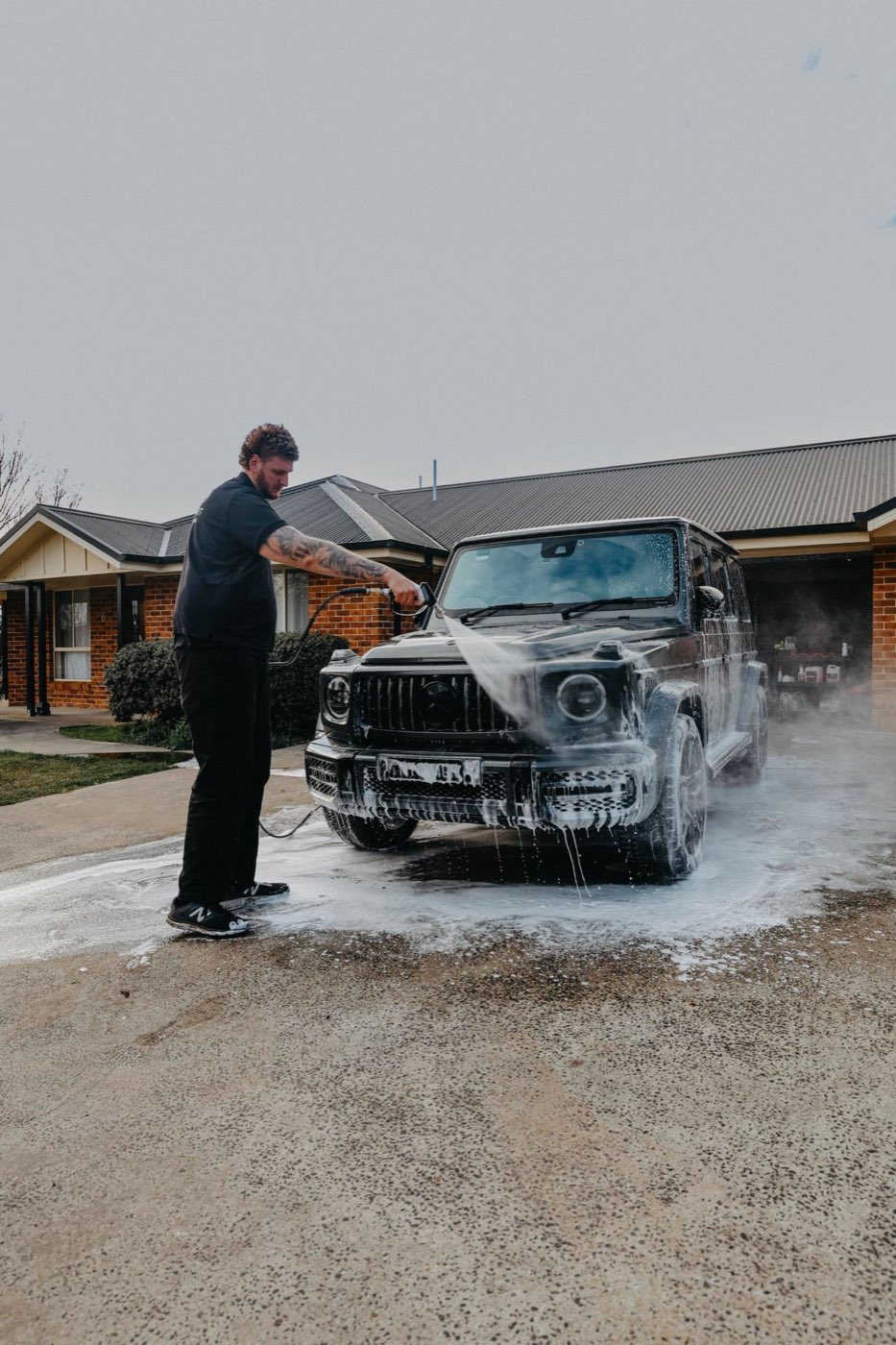
Not sure what your car needs
Paint condition is hard to judge from the driver's seat. Send through a handful of photos in daylight and we'll tell you honestly what your vehicle needs — and what it doesn't.
Reviews
“Extremely happy with the results! I got a ceramic coating package and my car looks incredible the paint looks so fresh and they even got out some scratches! 10/10 recommend!!”
“AAA+++ highly recommend Standout auto detailing definitely value for money Brayden did an amazing job cleaning and polishing my car, she smells and looks just like new.”
“I recently bought an 18 year old Hilux that’s been used as a pig hunting rig for its whole life. The interior was filthy. After bringing it to Brayden, it looks and feels like a brand new car. Incredible work, great attention to detail. Would recommend Standout to anyone 5/5”
FAQ
A ceramic coating is a liquid polymer that chemically bonds to your clear coat and cures into a hard, transparent protective layer. Unlike a wax or a sealant that sits on the surface for a few weeks or months, a coating becomes a semi-permanent layer that resists chemicals, UV and contamination, and makes the paint dramatically easier to keep clean.
It depends on the product and how the car is looked after. Standout is an accredited Magnum installer, offering their graphene coating at up to seven years and their Luminous X borophene coating at ten. Those are the manufacturer's ratings, and they assume sensible maintenance — correct wash technique and periodic inspections. A coated car that's run through a spinning-brush car wash every fortnight will not see the full term.
No. This is the single biggest myth in the industry. A coating adds meaningful chemical and environmental resistance, and it helps against very fine marring, but it will not stop a shopping trolley, a key, or a dirty wash mitt dragged across the paint. What it does is make the surface much easier to clean, which in turn means far fewer wash-induced scratches over the life of the car.
Absolutely — older vehicles are often where a coating makes the biggest visual difference. The paint usually needs more correction work first, because a coating locks in whatever is underneath it. We assess the clear coat condition before quoting; if the paint is failing or has been previously resprayed poorly, we'll tell you before you spend money on it.
Almost always, yes. New cars pick up defects in transport, in pre-delivery washing and on the dealer lot, and factory paint frequently arrives with sanding marks or light swirling already in it. Coating over that permanently seals it in. A single-stage correction before coating is standard on new vehicle packages.
Wash every two to four weeks using a pH-neutral shampoo and a two-bucket or touchless method, avoid automatic brush washes, and dry with a clean microfibre or filtered blower. Remove bird droppings and sap promptly rather than letting them sit. We provide a written maintenance guide at handover, and maintenance washes can be booked with us if you'd rather we handled it.
Yes. Coatings need to be applied and cured out of wind, dust, direct sun and moisture, so mobile coating work requires an enclosed garage or a similar clean, lockable space with power and lighting. If that isn't available, the vehicle can be booked into the Lithgow workshop instead — that's usually the better outcome anyway.
Ready when you are
Professional detailing, correction and protection from Standout Auto Detailing — workshop and mobile in Lithgow, mobile throughout Bathurst.